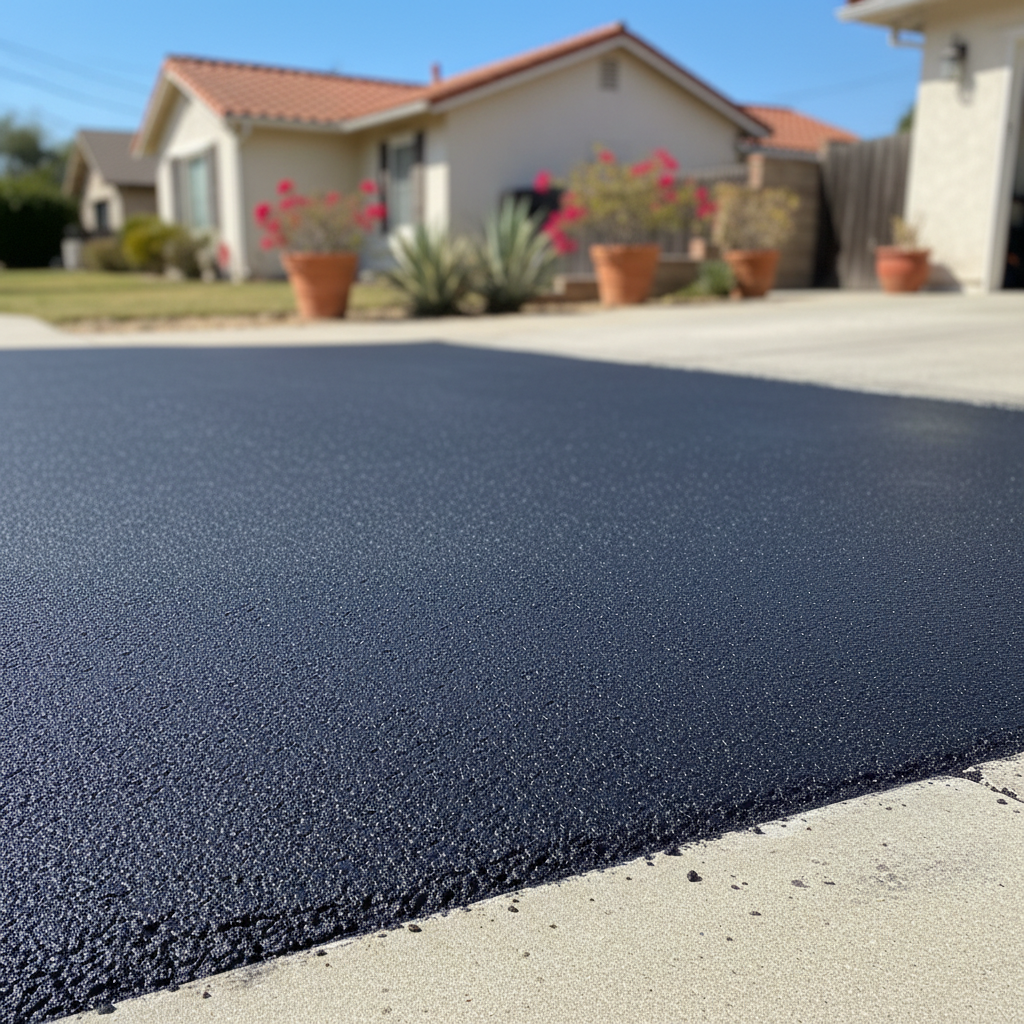
What exactly is asphalt patching?
Alright, let's get straight to it. Asphalt patching is basically fixing a specific, damaged part of your asphalt surface – like a driveway or parking lot – instead of redoing the whole thing. Think of it like putting a really strong, permanent band-aid on a cut. We cut out the bad section, whether it's a pothole, a deep crack, or a crumbling spot. Then we clean it up and fill it with new, hot asphalt. It's a targeted repair, not a full resurface. We do this all the time for homes, especially in older neighborhoods around places like Floral Park where driveways have seen a lot of years and a lot of sun, you know?
When is patching the right move versus a full replacement?
That's the million-dollar question, isn't it? Patching is usually the right call when the damage is isolated. If you've got a few potholes, some alligator cracking in one section, or a utility cut that needs fixing, patching makes a lot of sense. It's cost-effective and gets the job done without tearing up your entire driveway. But if your whole driveway is a spiderweb of cracks, if the base underneath is failing, or if it's just completely crumbling everywhere, then you're probably looking at an overlay or even a full replacement. I always tell people, if more than 25-30% of your surface needs patching, you should really start thinking about a bigger solution. Patching multiple large areas can actually end up costing you almost as much as an overlay, and you won't get the same uniform look or lifespan, which is a bummer.
How long does an asphalt patch typically last?
A good asphalt patch, done right with quality materials and proper compaction, should last you several years. We're talking anywhere from 5 to 10 years, sometimes even longer. It really depends on a few things: how well the original patch was put in, the quality of the asphalt mix, how much traffic it sees, and of course, the weather. Here in Santa Ana, we don't get extreme freezes, which is good, but that intense summer sun can be tough on asphalt if it's not sealed properly. A well-maintained patch, especially one that gets sealed every few years with the rest of your driveway, will definitely stand the test of time, believe me.
Can I just patch it myself?
You can, but I wouldn't recommend it for anything more than a tiny, superficial crack. For real potholes or significant damage, you're better off calling in the pros. Here's why: we use hot mix asphalt, which requires special equipment to heat and compact correctly. The stuff you buy in bags at the hardware store, cold patch, is a temporary fix at best. It doesn't bond as well, it doesn't compact as densely, and it'll break down much faster. Plus, proper patching involves cutting clean edges, preparing the base, and ensuring good drainage. If you don't do all that, your patch will fail pretty quickly, and you'll be patching it again next year. Save yourself the headache and call Charis Asphalt Inc; we've got the right tools and know-how.
What's the process for patching a driveway?
Okay, so when we come out to patch your driveway, here's the general rundown. First, we mark out the damaged area, usually cutting a neat square or rectangle around it. Then, we use specialized saws to cut through the existing asphalt. We remove all the old, damaged material, getting down to a solid base. If the base itself is compromised, we'll address that too, compacting it properly. Next, we clean the area thoroughly, removing any loose debris. We might apply a tack coat to the edges – that's a sticky asphalt emulsion that helps the new patch bond to the old pavement. Then, we fill the hole with hot asphalt mix, rake it out evenly, and compact it with a vibratory roller or plate compactor until it's dense and level with the surrounding surface. It's a pretty precise job to make sure it holds up.
How quickly can I drive on a new asphalt patch?
This is a common question, and it's a good one. For hot mix asphalt, you generally want to give it at least 24 hours before driving on it. The asphalt needs time to cool down and cure properly. While it might feel firm to the touch pretty quickly, the internal temperature takes a while to dissipate completely, and the material needs to fully set. Driving on it too soon, especially with heavy vehicles or making sharp turns, can cause ruts or displacement, ruining the patch. If it's a particularly hot day, like we often get in August, we might even suggest a bit longer, just to be safe. It's always better to be patient and let it cure right the first time.