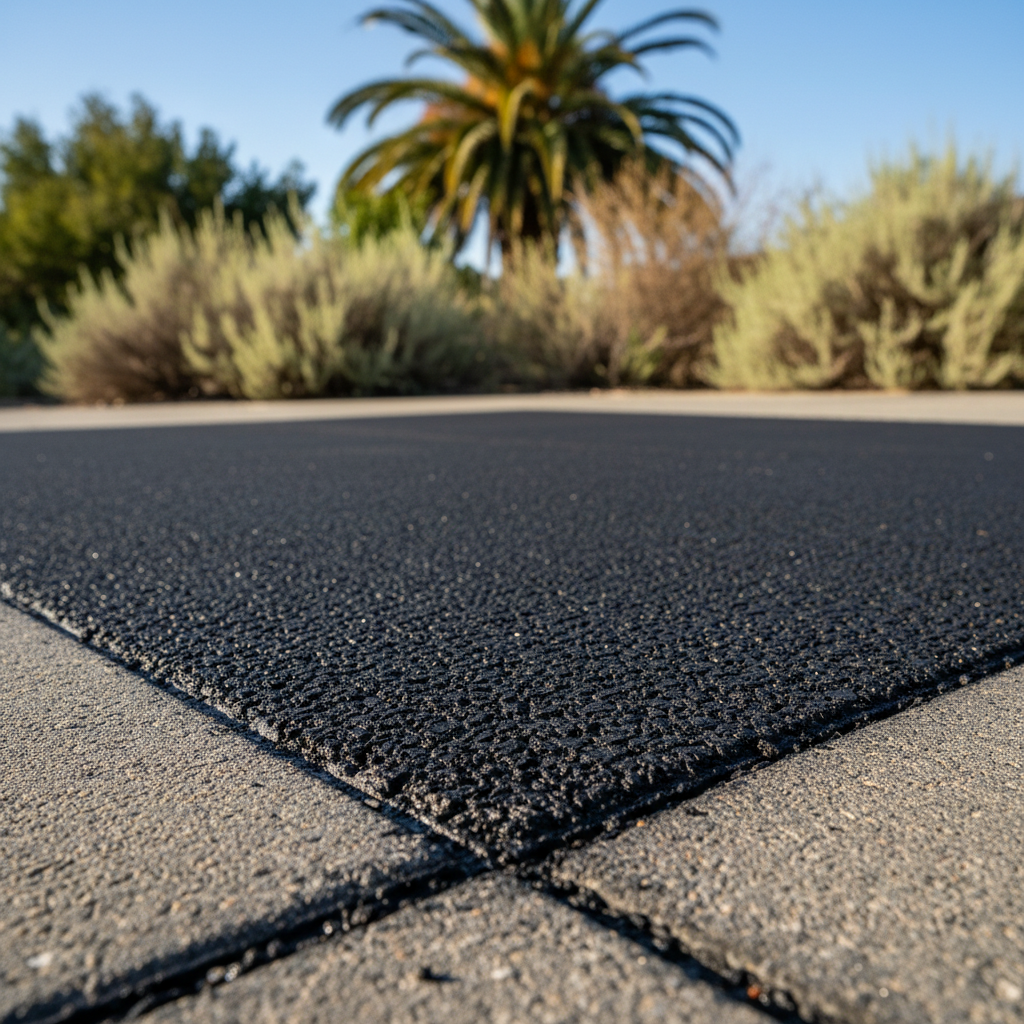
Alright, let's talk about those annoying cracks and potholes showing up in your asphalt driveway. I see 'em all the time, especially with our hot Santa Ana summers and then the occasional heavy rain we get. You're probably wondering, "Can I just fix this myself, or am I gonna make it worse?" It's a fair question, and the answer isn't always black and white. So, let's break down what you can realistically tackle and when you should really pick up the phone.
Before You Even Start: Assess the Damage
First things first, take a good look at what you're dealing with. Not all asphalt damage is created equal. You've got different types of cracks and potholes, and each one tells a story about what's going on underneath.
- Hairline cracks: These are thin, usually less than 1/4 inch wide. They're often just surface-level, happening from normal wear and tear, sun exposure, or minor ground movement.
- Alligator cracking: This looks like, well, alligator skin. It's a network of interconnected cracks, usually indicating a deeper problem with the base layer or drainage. This isn't a DIY job, plain and simple.
- Potholes: These are depressions where the asphalt has completely broken away, exposing the base. They start small and get bigger fast, especially if water gets in there and freezes (not a huge issue here in Santa Ana, but water still does damage).
- Edge deterioration: The edges of your driveway crumbling away. This can be from vehicles driving off the edge, or just a poorly compacted base.
If you're seeing widespread alligator cracking or really deep, wide potholes that are more than a few inches deep and several square feet, stop right there. You're probably looking at a base issue, and trying to patch over that is like putting a band-aid on a broken leg. It won't hold, and you'll just waste time and money.
What You CAN Do Yourself: The Small Stuff
For those smaller, isolated cracks (up to about 1/2 inch wide) or very shallow, small potholes (like, dinner plate size and only an inch or two deep), you can absolutely give DIY patching a shot. You'll need a few things:
- A good stiff broom or wire brush: To clean out the crack or hole.
- A garden hose or pressure washer: To really get the dirt and debris out. Make sure it's bone dry before you apply anything.
- Asphalt crack filler or cold patch: You can find these at any hardware store. Make sure you get one designed for driveways.
- A trowel or squeegee: For applying the filler.
- A tamper or heavy board: To compact the patch.
Here's the basic process:
- Clean it out: This is crucial. Get all the loose debris, dirt, and weeds out of the crack or hole. Use that wire brush and then rinse it. Let it dry completely.
- Fill the crack: For hairline cracks, just squeeze the crack filler directly into the crack. Don't overfill it; you want it level with the surrounding asphalt.
- Fill the pothole: For potholes, you'll use cold patch. Shovel it into the hole, slightly mounding it up.
- Compact it: This is where a lot of DIYers mess up. You need to compact that cold patch really well. Use a hand tamper, or if it's a small area, you can even drive your car over it a few times. The goal is to make it dense and solid.
- Smooth it out: Use your trowel to smooth the surface, making it flush with the existing driveway.
This kind of repair is good for preventing water from getting into the base and making things worse. It's a temporary fix, but it can extend the life of your driveway for a while.
When to Call Charis Asphalt Inc.: The Big Leagues
Now, for everything else, you really should call a professional. Look, I'm not trying to take work away from you, but some jobs are just too big or too complex for a homeowner to do right. Here's when you absolutely need us:
- Large potholes: Anything bigger than a dinner plate, or deeper than a few inches. These often mean the base is compromised, and you need proper excavation, base repair, and hot asphalt application.
- Alligator cracking: As I mentioned, this is a sign of structural failure. We'll need to evaluate the base and likely cut out and replace that section.
- Multiple, widespread cracks: If your driveway looks like a spiderweb, you're past the point of simple crack filling. You might need an overlay or even a full replacement.
- Drainage issues: If you've got standing water on your driveway after it rains, that's a problem. Water is asphalt's worst enemy. We can assess the grading and make sure water flows away properly. This is especially important in older Santa Ana neighborhoods where driveways might not have been designed with modern drainage in mind.
- Any repair that keeps failing: If you've tried patching the same spot a few times and it just keeps coming back, that's a clear sign there's a deeper issue that needs professional attention.
We've got the right equipment, the right materials (hot asphalt, which is way more durable than cold patch), and the experience to diagnose and fix the root cause of the problem. A proper patch by Charis Asphalt Inc. will blend in better, last much longer, and actually protect your investment.
So, go ahead and tackle those small cracks if you're feeling handy. But don't hesitate to call us for the bigger stuff. It'll save you headaches, and money, in the long run.