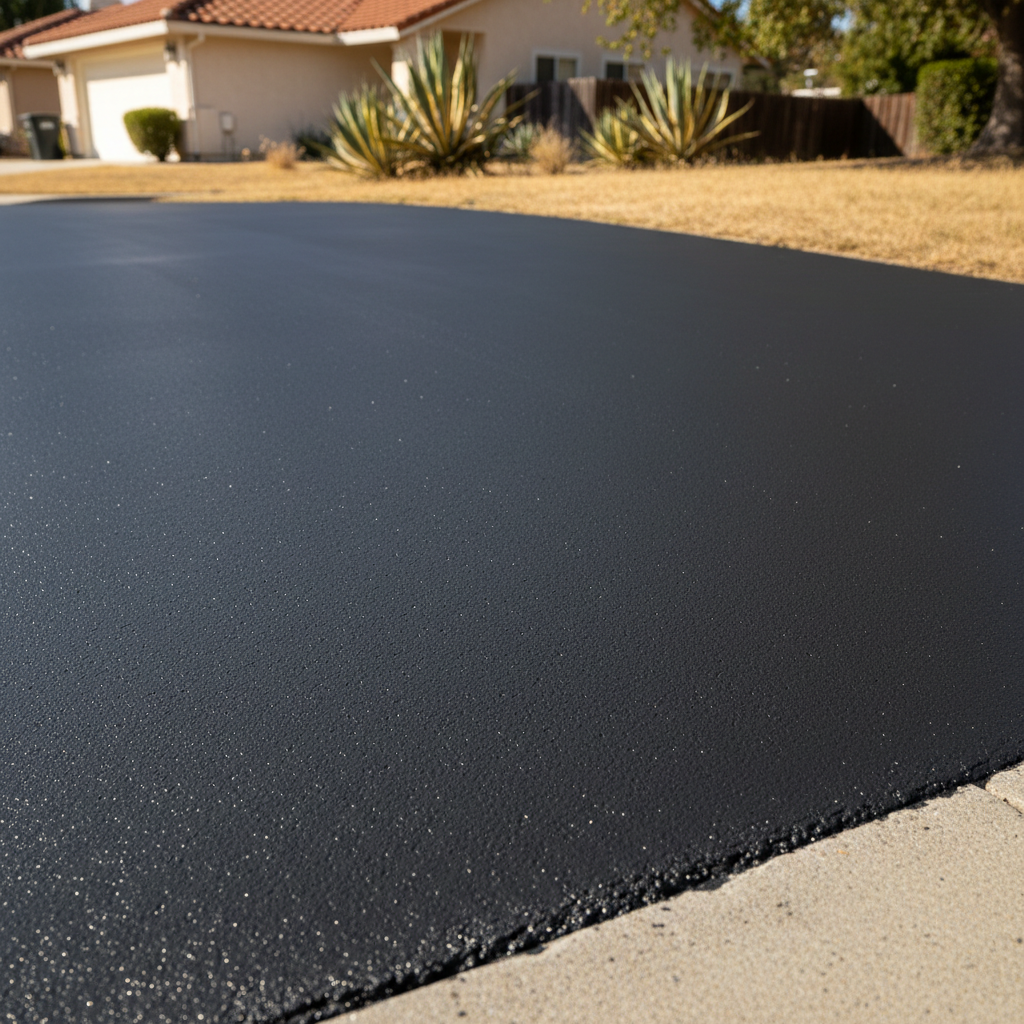
So, your driveway's seen better days, huh? Maybe a few small cracks are popping up, or the color's just not what it used to be. You've probably heard folks mention 'slurry seal.' It's a pretty common maintenance job we do here in Santa Ana, but a lot of people aren't quite sure what it is or if their driveway even needs it. Let's clear things up a bit.
What exactly is slurry seal, anyway?
Alright, let's get this straight: slurry seal isn't just some fancy paint job for your asphalt. It's actually a mix of asphalt emulsion, aggregate (that's just tiny, finely crushed rock), water, and a few special additives. We blend it all together and then spread it in a thin, even layer over your existing asphalt pavement. Think of it like a new protective skin for your driveway. Its job is to fill those small cracks, make the surface feel better, and shield the asphalt underneath from the sun, rain, and everything else Mother Nature throws at it.
How is it different from sealcoating?
This is a big one, and honestly, people mix them up all the time. Both are about preventing problems, but they're definitely not the same thing. Sealcoating is a thinner, more liquid application, usually just asphalt emulsion with some fillers. It's great for making your driveway look new again and gives a basic protective layer, but it won't add much strength or fill any real cracks. Slurry seal, because it has that aggregate in it, is thicker and tougher. It does a much better job of filling minor surface flaws and gives you a whole new wearing surface. If your asphalt just looks a little faded, sealcoat might be fine. But if you're seeing lots of hairline cracks and the texture feels rougher, slurry seal is probably what you need.
When's the best time to apply slurry seal in Santa Ana?
Timing is everything with this stuff. You really need warm, dry weather for the slurry to dry and harden correctly. Here in Santa Ana, that usually means late spring, summer, or early fall. We're looking for consistent temperatures above 50°F, and absolutely no rain in the forecast for at least 24 to 48 hours after we put it down. We get plenty of sunshine here, which helps, but those Santa Ana winds can sometimes kick up dust, so we always check the forecast super carefully before scheduling. You definitely don't want a fresh slurry job getting messed up by unexpected weather, right?
How long will a slurry seal last on my driveway?
If we apply it right and your asphalt was in decent shape to begin with, a good slurry seal job should hold up for anywhere from 5 to 7 years. Sometimes even longer! It really depends on a few things: the quality of the original asphalt, how much traffic your driveway sees (heavy trucks versus just a couple of cars), and how well you keep it up. Cleaning it regularly and quickly wiping up any oil or gas spills will help it last longer. It's not a permanent fix, no, but it buys you a lot of time before you'd need a bigger repair or even a full replacement.
Can slurry seal fix all my driveway problems?
Absolutely not. This is super important to understand. Slurry seal is for preventing future damage and restoring asphalt that's still in pretty good shape, just showing its age. It'll fill those tiny hairline cracks and minor surface flaws, and it protects against UV rays and water. But if you've got deep cracks, potholes, significant rutting, or areas where the asphalt is crumbling – you need repairs *before* we even think about slurry sealing. We're talking patching, crack filling, maybe even an overlay. Slurry seal won't fix structural issues; it'll just cover them up for a bit, and then they'll pop right back through. You'd basically be throwing your money away. Charis Asphalt Inc. always makes sure we handle the underlying problems first.
How long do I have to stay off my driveway after it's been slurry sealed?
Patience is key here. Generally, you'll need to keep all vehicles off the driveway for at least 24 to 48 hours. Sometimes even longer if it's a cooler or more humid day. The slurry really needs to fully cure and harden. If you drive on it too soon, you'll leave ugly tire marks, scuff it up, and potentially damage that brand-new surface. We'll give you a specific timeframe based on the conditions the day we do the work, but just assume you'll need to park on the street or make other arrangements for a couple of days. It's a small inconvenience for a much longer-lasting, better-looking driveway, don't you think?
Is slurry seal an environmentally friendly option?
That's a good question, and the answer is generally yes, especially when you compare it to completely replacing your asphalt. Slurry seal uses less new material and makes your existing pavement last longer, which means less waste heading to landfills and less energy used to produce and lay down entirely new asphalt. It's a maintenance strategy that helps you get the most out of what you already have, and that's always a more sustainable way to go. Plus, it stops your asphalt from breaking down faster, so you won't need those resource-intensive repairs as often.
Hopefully, that clears up some of the mystery around slurry seal. It's a really effective tool in your asphalt maintenance arsenal when you use it correctly. If you're in Santa Ana and wondering if it's the right choice for your driveway, give us a call. We'll come take a look and give you our honest opinion.